Beard Transplant: Your Ultimate Guide to Fuller Facial Hair
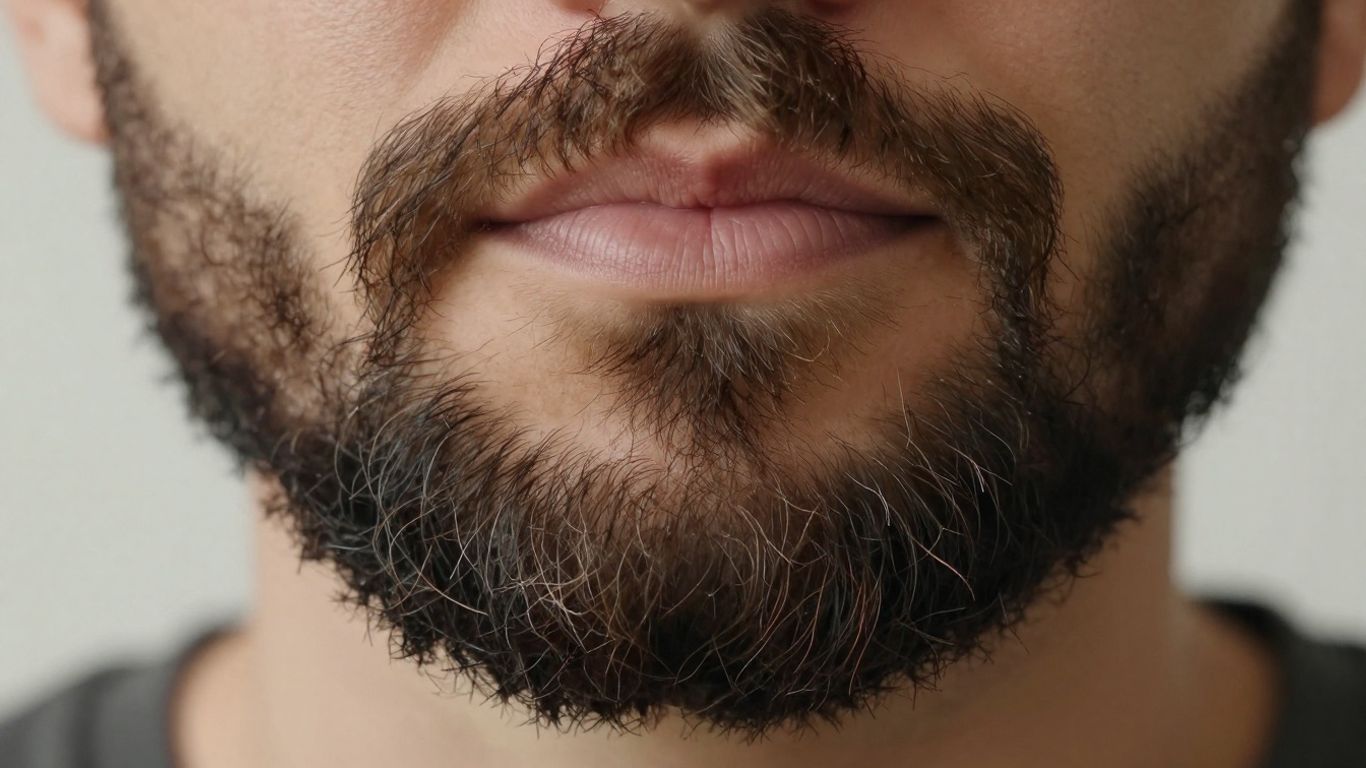
So, you're thinking about getting a beard transplant? It's a pretty big step, and honestly, it's totally understandable if you're curious about the whole thing. Growing a full beard isn't always easy for everyone, thanks to genetics or maybe just bad luck. But the good news is, there are ways to get that fuller look you're after. This guide is here to break down what a beard transplant actually involves, why people go for it, what the recovery is like, and what you need to do afterward to make sure it all works out. We'll cover the basics, the good stuff, the not-so-good stuff, and everything in between, so you can figure out if this procedure is the right move for you.
Key Takeaways
- A beard transplant moves hair follicles from one part of your body, usually the scalp, to your face to create a fuller beard.
- The procedure can significantly improve your facial appearance and boost your confidence by giving you the beard you desire.
- Techniques like FUE and DHI are used, with FUE being common for its minimal scarring and natural results.
- Recovery involves shedding of transplanted hairs followed by new growth over several months, with patience being key.
- Proper aftercare is vital for successful results, including keeping the area clean and following your surgeon's specific instructions.
Understanding The Beard Transplant Procedure
What Is A Beard Transplant?
A beard transplant is basically a surgical procedure where hair is taken from one part of your body and then put into your beard area. Think of it like planting seeds in a garden, but instead of seeds, it's hair follicles, and the garden is your face. The goal is to get a fuller, more natural-looking beard, especially if you've got those annoying patchy spots or just never grew much facial hair to begin with. Unlike temporary fixes, the hair that grows back is permanent because the follicles are still alive and kicking. It’s a way to get the beard you want without relying on products that wash off or treatments that don't quite do the trick.
How Beard Transplants Work: Step-By-Step
So, how does this whole thing actually happen? It’s a pretty detailed process, but here’s the breakdown:
- Consultation and Planning: First, you'll meet with a surgeon. They'll look at your face, check out the hair you already have (or don't have), and talk about what kind of beard you're aiming for. This is where they make a plan just for you.
- Harvesting Donor Hair: The surgeon takes hair follicles from a donor spot, usually the back of your head where hair is thick and less likely to thin out. They use a method called Follicular Unit Extraction (FUE), which is pretty precise.
- Site Creation: Tiny little cuts, or 'recipient sites,' are made in your beard area. The surgeon is super careful about the angle and direction of these cuts so the new hair grows the way it should.
- Transplantation: The harvested follicles are then carefully placed into those tiny cuts. It takes time and a steady hand to get the density and look just right.
The whole procedure is designed to be as natural as possible, mimicking how your beard would grow if you had it naturally. It's all about creating a look that's truly yours.
The Procedure: What To Expect
When you actually go in for the transplant, it's usually done in one session that can last anywhere from 3 to 6 hours. You'll be awake, but they'll give you local anesthesia so you won't feel pain. It’s not exactly a walk in the park, but it’s manageable. After it's all done, you'll get specific instructions on how to take care of the area. Most people can get back to their normal routines pretty quickly, though you'll need to be gentle with your new facial hair. You can usually resume shaving around 10 days post-operation, but always follow your surgeon's advice. The initial healing period involves some redness and maybe a bit of swelling, which is totally normal. You'll also notice small scabs forming around the transplanted hairs, which typically fall off within a week or so. It's a bit of a waiting game after that, as the transplanted hairs go through a shedding phase before new growth starts to appear.
Benefits Of Pursuing A Beard Transplant

So, you're thinking about getting a beard transplant? It's a pretty big step, and honestly, there are some solid reasons why guys are going for it. It’s not just about looking different; it’s about feeling better about yourself.
Enhanced Facial Appearance
Let's face it, a full beard can really change how you look. For guys who have always struggled with patchy spots or just can't seem to grow a decent beard, this procedure can make a huge difference. It's about achieving that fuller, more defined look that you might not be able to get naturally. Think of it like filling in the gaps to create a more complete picture on your face. It can really balance out your features and give you a more rugged or mature appearance, depending on what you're going for. It’s a way to get a beard that looks like it’s always been there, just better.
Boost In Confidence
This is a big one for a lot of people. When you're unhappy with how your beard looks, or if you feel like you can't grow one at all, it can really affect how you feel about yourself. Getting a beard transplant can seriously change that. Many guys report feeling much more self-assured after the procedure. It’s not just about looking more masculine; it’s about feeling more put-together and confident in social situations or even at work. That boost in self-esteem is often the most rewarding part of the whole process. It’s amazing how a change in your appearance can impact your overall outlook.
Personalized Beard Design
One of the coolest things about a beard transplant is that it's not a one-size-fits-all deal. You and your surgeon can actually plan out exactly what you want. Whether you're dreaming of a full, bushy beard, a sharp goatee, or just want to fill in those annoying thin spots along your jawline, it can be done. The surgeon implants the hair follicles strategically to match the direction and density of natural hair, creating a look that’s unique to you. It’s all about crafting a beard that fits your face shape and your personal style. You can really experiment with different looks, knowing that the results will be permanent and tailored just for you. It’s a chance to really own your look.
The procedure itself is designed to be quite precise. Surgeons use techniques that mimic the natural growth patterns of your existing facial hair, ensuring the transplanted hairs grow in the right direction and at the right angle. This attention to detail is what makes the results look so natural and convincing.
Here’s a quick rundown of what you can expect in terms of results:
- Natural Appearance: The transplanted hair grows just like your own beard hair.
- Permanent Solution: Unlike temporary fixes, this is a long-term change.
- Customizable Styles: You can achieve almost any beard style you desire.
- Improved Self-Esteem: Many patients feel a significant increase in confidence. Facial hair transplants can offer a permanent solution for those seeking a fuller beard.
It’s a pretty involved process, but the benefits, especially the boost in confidence and the ability to finally get the beard you’ve always wanted, are why so many men are considering it. It’s a way to take control of your appearance and feel great about it. For more details on the procedure, you can check out what a beard transplant is.
Exploring Beard Transplant Techniques
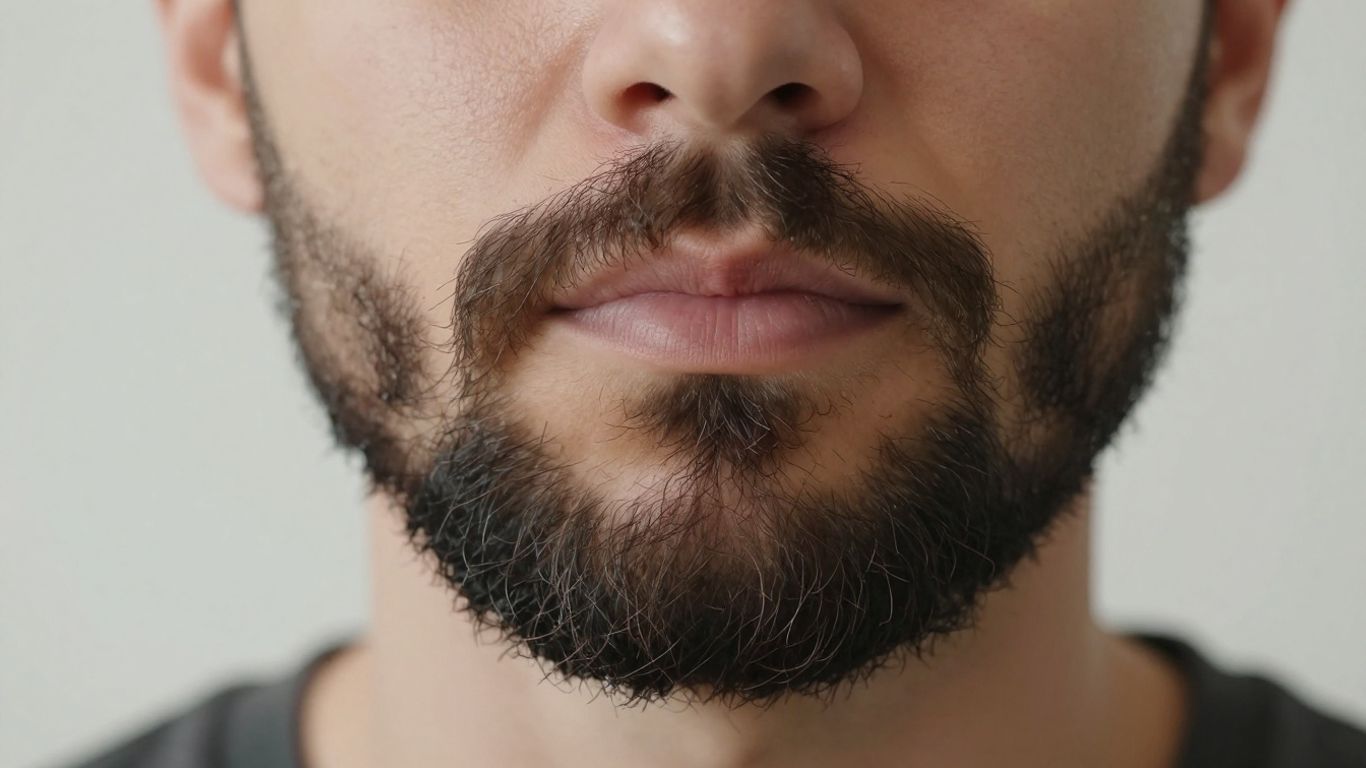
So, you're thinking about getting a beard transplant, huh? That's cool. But before you jump in, it's good to know there are a couple of main ways they do this. It's not just a one-size-fits-all deal, and understanding the techniques can help you figure out what might work best for you.
Understanding Beard Transplant Techniques
Basically, the whole idea is to take hair from somewhere else on your body, usually the back of your head where it's nice and thick, and put it where you want more beard. The goal is to make it look totally natural, like you grew it yourself. It’s a pretty neat bit of science, really.
Exploring The Benefits Of FUE And DHI Methods
Right now, the two big players in beard transplantation are FUE and DHI. They both get the job done, but they go about it a little differently.
- Follicular Unit Extraction (FUE): This is probably the most common method. Think of it like this: they use a tiny tool, like a mini-cookie cutter, to take out individual hair follicles, one by one, from your donor area. Then, they make tiny little holes in your beard area and carefully place those follicles in. It’s pretty precise work.
- Direct Hair Implantation (DHI): DHI is a bit of a variation. It uses a special pen-like tool that can both make the tiny hole and implant the follicle all in one go. Some people think this might mean less handling of the grafts and maybe a slightly quicker recovery, but honestly, the results are often very similar.
Both methods aim for that natural look, making sure the hairs go in the right direction and have the right density. The choice often comes down to what the surgeon is most comfortable with and what they think is best for your specific situation. It's worth chatting with your doctor about which one they recommend for you.
Key Considerations For Choosing A Technique
When you're deciding, think about a few things. How much hair do you need? Do you have a preference for how the donor area is treated? What's your healing time like? These are all good questions to ask your surgeon. They'll look at your hair, your face, and your goals to help guide you. It’s all about getting that fuller facial hair you’re after.
The most important thing is finding a skilled surgeon who knows their stuff. They’ll be able to explain the pros and cons of each method for your face and help you make the best choice. Don't be afraid to ask questions!
Ultimately, whether it's FUE or DHI, the skill of the person doing the transplant is what really makes the difference. They’re not just moving hair; they’re crafting a beard. You can find more information on hair restoration procedures if you want to dig deeper into the science behind it all.
The Beard Transplant Healing Journey
So, you've gone through the beard transplant procedure. Now what? The next few months are pretty important for seeing those results you're hoping for. It's not instant, but with a little patience, you'll get there.
Immediate Post-Procedure Period
Right after the surgery, the transplanted area might feel a bit tender, and you could see some redness or minor swelling. It's totally normal. You might also notice a little bit of bleeding or some tiny scabs forming. Don't worry, this usually calms down within a couple of days. Your surgeon will give you specific instructions on how to care for the area, and it's really important to stick to them.
Recovery and Crust Formation
Over the first week or two, those tiny scabs will become more noticeable. It's super tempting to pick at them, but seriously, don't. Let them fall off on their own. This is when the transplanted hair follicles are settling in. You'll likely be advised to clean the area very gently, maybe with a saline solution your doctor provides. This helps keep things clean and aids the healing process.
The Shedding Phase
This is where things can feel a little weird. Between week two and three, you'll probably notice the transplanted hairs starting to fall out. It might look like the procedure didn't work, but this is actually a completely normal part of the process. It's often called 'shock loss.' The hair follicles are just getting ready to start their real growth cycle.
New Hair Growth Timeline
- Month 2-3: You'll start to see new hairs poking through. They'll be pretty fine and thin at first, almost like baby hairs. It's a good sign, but you need to be patient as they thicken up.
- Month 4-6: This is when things really start to pick up. The hairs will get noticeably thicker and denser. You'll begin to see a real difference in your beard's appearance.
- Month 6-12: By the end of the first year, your beard should be looking pretty full. The growth continues, and the hairs mature, giving you the final result.
Patience is key during the healing journey. While the initial results might not be what you expect immediately after surgery, the transplanted follicles are working to establish themselves for long-term growth. Trust the process and follow your aftercare instructions diligently.
Seeing your beard take shape takes time, but the results are usually quite impressive. Remember, you can find more details on recovery and what to expect post-surgery.
Aftercare For Optimal Beard Transplant Results
So, you've gone through the beard transplant procedure, and now the real work begins – taking care of your new facial hair. It’s not just about the surgery itself; what you do in the weeks and months following is super important for getting that full, natural look you’re after. Think of it like tending to a new garden; you wouldn't just plant the seeds and walk away, right?
Post-Transplant Care Essentials
Right after the procedure, your surgeon will give you a specific set of instructions. It’s really important to stick to these like glue. They’re designed to protect those delicate new grafts while they settle in. This usually involves:
- Gentle Cleansing: For the first week or so, you'll need to be extra careful when washing your face. Use a mild, fragrance-free cleanser and just pat the area gently. No harsh rubbing allowed! This helps prevent infection and keeps the grafts from getting disturbed. You can find some good gentle cleansers here.
- Avoiding Sun Exposure: Those new grafts are sensitive. Direct sunlight can cause irritation and slow down healing. So, grab a hat or stay indoors when the sun is strongest, especially during the initial healing phase.
- No Touching (Mostly): Resist the urge to pick at any scabs that form. Let them fall off naturally. Touching can introduce bacteria or dislodge the grafts.
- Staying Hydrated and Eating Well: Drinking plenty of water and eating nutritious food helps your body heal faster and supports healthy hair growth.
Factors That Impact Success
Several things can influence how well your beard transplant turns out. It’s not just about the surgeon's skill, though that's a big part of it. Your own actions play a huge role too.
- Your Lifestyle: Things like smoking and drinking alcohol can really mess with your body's ability to heal. It’s best to cut back or avoid them completely for a while after the procedure.
- Physical Activity: You’ll need to take it easy for the first week or so. Strenuous exercise can increase blood flow and sweating, which might not be ideal for the grafts. Your surgeon will give you the exact timeline, but generally, avoid intense workouts for about a week after the procedure.
- Following Instructions: Seriously, this is the biggest one. If your surgeon tells you to do something, do it. If they tell you not to do something, don't. It sounds simple, but it makes a massive difference.
Good Aftercare Practices
Beyond the immediate post-op period, there are ongoing practices that help your beard look its best and ensure the transplanted hairs grow in strong and healthy.
- Moisturize Regularly: Keeping the skin beneath your beard hydrated is key. Dry skin can lead to itching and discomfort, and it’s just not good for healthy hair growth.
- Gentle Grooming: Once your surgeon gives you the green light to start styling, be gentle. Avoid pulling or tugging at the new hairs.
- Patience: This is a marathon, not a sprint. You won't see a full beard overnight. There’s a shedding phase, and then new growth starts. It takes time, usually several months, to see the final results.
Remember, the goal is to create the best possible environment for your new hair follicles to thrive. Think of it as nurturing something precious. Your commitment to aftercare directly translates into the quality and density of your final beard. Don't skip steps, and trust the process your surgeon has outlined.
Potential Downsides Of A Beard Transplant
While the idea of a fuller beard is exciting, it's good to know that beard transplants aren't without their challenges. It’s not a quick fix, and there are a few things to consider before you jump in.
Time-Consuming Process
First off, the procedure itself can take a while. Depending on how many grafts you need, you could be in the chair for several hours. And then, you have to wait. It takes months for the transplanted hair to really start showing up and looking like a proper beard. So, patience is definitely key here. You won't walk out looking like a lumberjack overnight.
Potential For Uneven Growth
Even with a skilled surgeon, there's always a chance the transplanted hairs might not grow out perfectly uniformly. Some might grow faster than others, or at slightly different angles, which can lead to a patchy look, especially in the early stages. Sometimes, a follow-up session might be needed to even things out. It’s not a guarantee of a perfectly smooth beard from day one.
Post-Operative Care And Risks
After the surgery, you've got to be diligent with aftercare. This means following all the instructions your doctor gives you to avoid problems like infection or the grafts not taking. You might experience some swelling, redness, or scabbing, which is pretty normal. But there are also rarer risks, like scarring or reactions to the anesthesia. Proper care is super important to get the best results and avoid complications. It's also worth noting that the donor area, usually the back of your scalp, will have some scarring, though techniques like FUE aim for minimal marks.
It's important to remember that while beard transplants are generally safe, especially when performed by experienced professionals, potential issues can arise. These can include temporary bleeding, itching, and swelling in both the donor and recipient areas. While these usually resolve within a few weeks, persistent itching can be particularly bothersome.
- Infection: Though rare, it's a risk with any surgical procedure.
- Ingrown hairs: These can be uncomfortable and might require minor intervention.
- Temporary numbness: Some patients report a feeling of numbness in the treated areas for a period.
- Allergic reactions: These can occur, though they are uncommon.
The healing process requires attention. You'll go through stages of crusting and shedding before new growth appears. Sticking to your surgeon's post-transplant care plan is non-negotiable for success.
Wrapping It Up
So, you've made it through the whole guide on beard transplants. It's a pretty big step, for sure, and not something to jump into without thinking it over. But if you're really set on getting that fuller beard you've been dreaming of, and you've looked into all the ins and outs, it could be the answer. Just remember to find a good doctor, follow their advice to the letter, and be patient. Those new hairs won't just magically appear overnight, but with time and care, you'll likely see the results you're after. Good luck with your beard journey!
Frequently Asked Questions
What exactly is a beard transplant?
A beard transplant is a special surgery where doctors take hair from one part of your body, usually the back of your head, and carefully place it into your beard area. This helps make your beard look fuller and cover up any spots where hair doesn't grow well.
How does the beard transplant process work?
First, you'll talk with a doctor to plan the look you want. Then, they'll gently take hair roots from a donor spot. After that, they make tiny holes in your beard area and put the hair roots in one by one, making sure they grow in the right direction.
What should I expect right after the surgery?
After the transplant, your face might be a little red and swollen, and you might see small crusts where the hairs were put in. This is normal. You'll need to be gentle with your face and follow the doctor's instructions for cleaning and not touching the area too much.
When will I see new beard growth?
It takes time! For the first few weeks, the transplanted hairs will likely fall out. Don't worry, this is part of the process. New hairs usually start to show up after about 2 to 3 months, and your beard will look fuller over the next 6 to 12 months.
How do I take care of my beard after the transplant?
After the surgery, it's super important to follow the doctor's care tips. This usually means keeping the area clean, not shaving for a while, and avoiding harsh activities. Good care helps the new hairs grow in strong and healthy.
Are there any risks or downsides to a beard transplant?
Like any surgery, there are some risks. You might have swelling, redness, or minor pain. Sometimes, the hair might not grow perfectly evenly, or there could be a small chance of infection if you don't follow the aftercare rules. It also takes patience because the final results aren't seen for many months.

International Standards.
Brazilian Mastery.
Aesthetica Medical Travel Facilitators, LLC is an international care coordination company registered in Wyoming, United States. We provide services for the promotion and support of medical service providers, including physicians worldwide (“medical service providers”). These services are made available through Aesthetica’s website, and the same privacy terms also apply to the Aesthetica Advisor Program (the “application/platform”), created and operated by Aesthetica. Aesthetica is solely responsible for controlling and processing the information obtained via the platform or through other communications between users, businesses, hospitals, clinics, or third parties and members of the Aesthetica service team (the “Service Team”). Our services may include non-clinical care coordination for North American patients seeking elective procedures abroad, including provider matching, travel logistics, and administrative support throughout the care journey. Additional services or add-ons may be offered depending on the selected scope. Post-operative care is typically conducted in the destination country where the procedure is performed. Additional coordination or administrative support in the patient’s country of origin may be available separately, subject to scope and availability. Aesthetica may engage third-party service providers, partners, or affiliated entities to support its operations, including data processing and service delivery. Information may be shared with such parties solely as necessary to provide the services described. Our operations follow strict standards of transparency, privacy protection, and regulatory compliance. Testimonials reflect individual experiences and do not guarantee future results. By using Aesthetica’s services or platform, users acknowledge and agree to these terms and understand the limited, non-clinical role of Aesthetica in the care journey. For more information about our policies or compliance framework, please contact our support team.