
Beard Hair Transplant: A Comprehensive Guide to Restoring Your Facial Hair
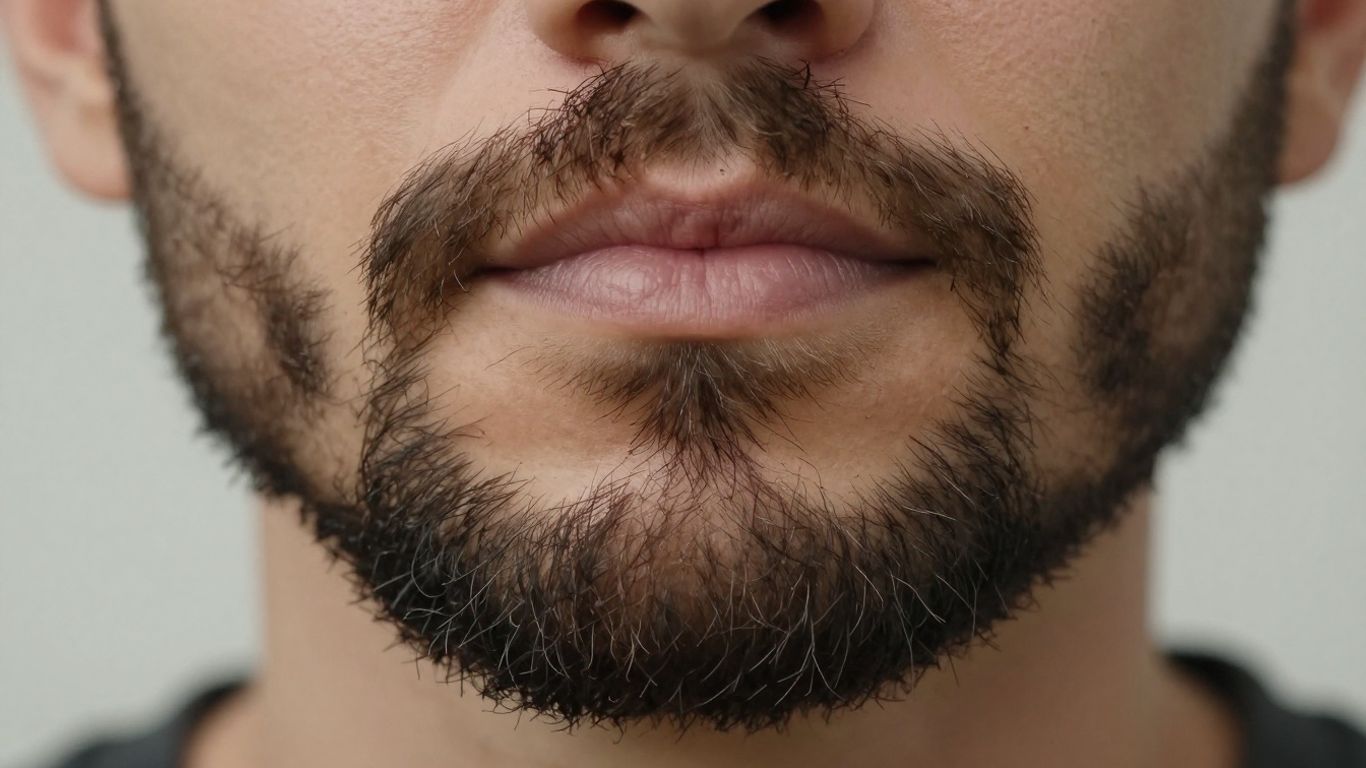
Thinking about a beard hair transplant? Here are five quick things to remember if you’re considering this procedure.
Key Takeaways
- A beard hair transplant moves hair from your scalp to your face to fill in patchy areas.
- The most common method is FUE, which leaves very tiny scars and gives a natural look.
- You need enough healthy hair on your head for the surgeon to use as donor hair.
- Results are permanent, but it takes several months to see your final beard.
- Costs can vary a lot, so always check what’s included before you decide.
Understanding Beard Hair Transplant Procedures
So, you're thinking about getting a beard transplant? It's a pretty cool option for guys who want to fill in patchy spots or just get a fuller beard than genetics have allowed. It's not as complicated as it sounds, but it does involve a few key steps.
What Is a Beard Hair Transplant?
A beard hair transplant is essentially a surgical procedure where hair follicles are moved from one part of your body to your face, specifically to the beard area. The most common place to get these follicles from is the back or sides of your scalp, because that hair is usually pretty similar in texture and thickness to beard hair. The main goal is to create a more dense, even, and natural-looking beard. It's a way to get that beard you've always wanted if you're struggling with sparse growth or bald patches.
The Beard Hair Transplant Procedure Explained
This whole process is pretty detailed. It starts with a consultation, of course, where a surgeon figures out if you're a good candidate and what you're hoping to achieve. Then comes the actual procedure, which usually involves two main parts: harvesting the donor hair and then implanting it.
Here's a general breakdown:
- Harvesting Donor Hair: The surgeon carefully extracts individual hair follicles from a donor area, most often the back of your scalp. The technique most commonly used is called Follicular Unit Extraction (FUE). It's a precise method where each follicle is removed one by one using tiny tools. This is great because it's less invasive and usually leaves minimal scarring. The surgeon picks healthy follicles that are likely to grow well in their new spot.
- Implantation: After the hair is harvested, the surgeon makes tiny incisions in your facial skin where you want the new beard hair to grow. These little cuts are placed very carefully to match the natural angle, direction, and pattern of your existing facial hair. Then, each follicle is individually placed into these incisions. This meticulous placement is what makes the final result look so natural.
The entire procedure can take anywhere from 4 to 8 hours, depending on how many grafts are needed to reach your desired beard density and coverage. It's a long session, but it's all about precision.
Harvesting Donor Hair for Facial Implants
As mentioned, the donor hair is usually taken from the scalp. The FUE method is the go-to for beard transplants because it allows for the extraction of individual follicular units. This means the surgeon can be really selective about which hairs they take, aiming for those that best match the characteristics of beard hair. This careful selection is crucial for achieving natural-looking beard growth. The donor area is typically only trimmed, not shaved completely, so your existing hair can help cover it up while it heals. It's a pretty smart way to get the hair needed for your new beard without making it obvious you've had anything done.
Candidate Suitability for Facial Hair Restoration
Who Is an Ideal Candidate for a Beard Transplant?
If you’ve got gaps in your beard, patchy spots that just won’t fill in, or scarring from previous injuries, a beard hair transplant could be something to consider. Most ideal candidates are men who have tried everything else—creams, oils, and vitamins—and still can’t get their facial hair to come in thicker or more even. Here are a few typical reasons people go for this option:
- Men looking for a fuller, denser beard or mustache for a more defined look.
- Those with facial hair loss or patchiness from scars, burns, or trauma.
- Anyone with thin or uneven growth due to aging or genetics.
The sweet spot for age: Many doctors suggest waiting until your mid-to-late 20s, since hair growth patterns can keep changing into your thirties. You’ll also need a solid patch of healthy donor hair (usually from the scalp or under the chin) that matches the texture and strength of beard hair. If you want that thick, stylish beard but genetics aren’t cooperating, this could be your fix.
Not every guy with a patchy beard is a good fit for transplant surgery, but if you have realistic goals, are in good overall health, and have strong donor hair, it’s definitely worth looking into.
Factors Determining Eligibility for Facial Hair Surgery
Surgeons look at a mix of stuff before they give you the green light. Some major factors are:
- Donor Hair Quality: The hair at the back or sides of your scalp is checked for density and thickness. The stronger it is, the better the chance for solid beard results. More on this at thickness and strength of donor hair.
- Overall Health: You should be free of uncontrolled medical issues—especially those that slow healing, like diabetes or immune disorders. Smoking can slow healing, so you may be asked to quit for best results.
- History and Cause of Hair Loss: If it’s genetics, you’re usually a good fit. But for conditions like alopecia areata or compulsive hair pulling (trichotillomania), a consultation is essential to see if surgery makes sense.
- Age and Maturation: If you’re under 25, many doctors may advise you to wait, since your beard could still fill in naturally.
Common Factors Table
Realistic Expectations for Beard Growth
Let’s be blunt: this isn’t wizardry. A beard transplant is reliable, but it’s not a magic spell for instant, super-thick facial hair everywhere. Here’s what to expect:
- Most guys see new beard growth in about 3-6 months. The hairs shed at first—totally normal.
- Full, visible results can take up to a year.
- The transplanted hair acts like your normal beard hair—you can shave, trim, and style it as you like.
- Results depend on how many grafts you’re getting and how the donor hair matches your facial hair.
Set realistic goals: It’s possible to fill patches or build density, but don’t expect a full mountain-man beard if you start with very little donor hair or if your surgeon says otherwise.
A strong beard can help you feel more confident and make styling easier, but patience (and a bit of trust in the process) goes a long way.
If you’re thinking about a beard transplant or just want to know what’s possible, a personal consultation with a qualified surgeon is your next smart move. They’ll check your goals, hair, and health, and walk you through what to really expect from surgery.
The Beard Transplant Journey: From Consultation to Results
Initial Consultation and Planning
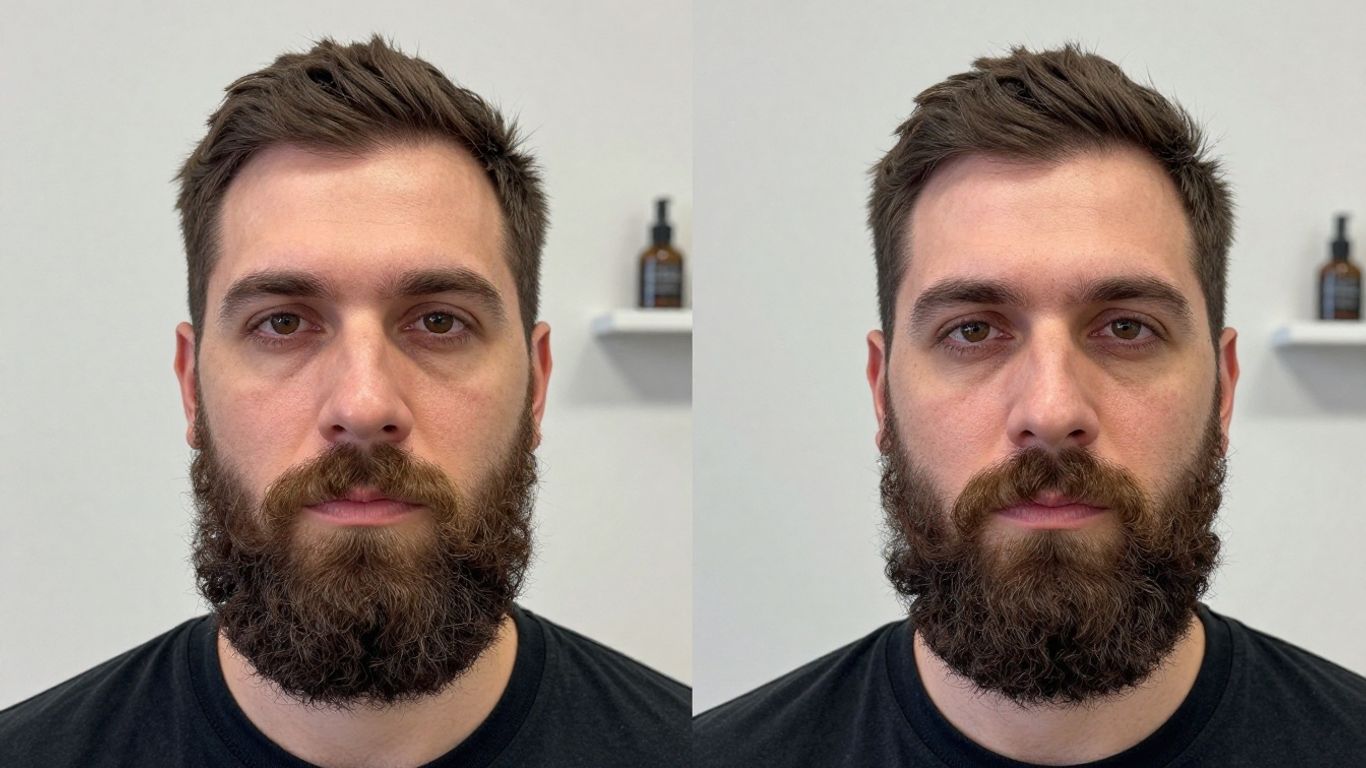
The first step in getting a beard transplant is always the consultation. Here, you meet with a hair restoration doctor (sometimes virtually, sometimes in the clinic) to talk through what you want your beard to look like. You discuss shape, coverage, and density goals. Then, the surgeon looks at your beard area up close and checks the back or sides of your scalp—the usual donor areas. They’ll pull up your medical history, ask about medications, and go over possible risks or side effects. Setting clear expectations at this stage is critical for both you and your surgeon.
- Choose your beard style, shape, and thickness with your surgeon
- Review your health history and current medications
- Map out the donor and recipient areas
Even if you’re excited, don’t rush: a thoughtful consultation can save you from regrets down the road.
The Transplantation Process
On the day of your procedure, you’ll likely arrive in the morning. Most clinics give you a rundown of what to expect, and you’ll have forms to sign. The procedure is usually done using local anesthesia, so you’re awake but feeling nothing in the area. Hairs are taken from your donor site (commonly using FUE, where individual follicles get extracted) and transplanted one by one onto your face. It takes several hours depending on how many grafts you’re getting—anywhere from 3 up to 9 hours isn’t unusual.
- Minimal discomfort: thanks to numbing medicine
- Most transplants use the back/sides of the scalp as the source
- Each new follicle is individually placed to mimic natural beard growth
Here’s a quick comparison table for the two most common hair extraction methods:
Recovery and Timeline for New Growth
Post-surgery, your face will look red and a little puffy. Some scabbing appears where grafts were placed, usually clearing in 1-2 weeks. Mild discomfort and itching are normal, but pain is rare. The shocker for most people is “shedding”—the transplanted hairs will fall out within the first month. This is supposed to happen!
- Scabs and redness fade in 7-14 days
- Transplanted hairs shed in 2-4 weeks, starting the next growth phase
- New beard hairs begin appearing after three months
- Full results—thickness, density, texture—for many, aren’t visible until 12 months or longer
If you’re feeling impatient, you’re not alone—patience is key throughout the recovery and full-beard maturation process. It can take up to a year for everything to fully settle in and look natural.
Waiting for your new beard to grow in can be frustrating—it’s a slow process, but each week brings small signs of progress. Stick with your post-op routine, and trust the process.
All things considered, the reality is that the beard transplant journey takes planning, a steady mindset, and some patience. But for most folks, the results are absolutely worth the wait once their final, natural beard grows in (often between 12 and 18 months) as beard results mature.
Achieving Natural and Lasting Beard Results
So, you've gone through the beard transplant procedure, and now you're probably wondering what comes next. It's not like you wake up with a full, rugged beard overnight. There's a process, and understanding it is key to getting the results you're hoping for. The good news is that with modern techniques, achieving a beard that looks like it's always been there is totally doable.
Techniques for Natural Facial Hair Appearance
Getting a beard that looks natural is all about the details. The surgeons performing these procedures are really focused on making sure the transplanted hairs blend in perfectly with your existing facial hair. They pay close attention to:
- Angle and Direction: Each graft is placed to mimic the natural growth pattern of your beard. This means hairs aren't just sticking straight out; they follow the curve and flow of your face.
- Density: The number of grafts placed in each area is carefully calculated. Too few, and it looks patchy. Too many, and it can look unnatural. The goal is a believable fullness.
- Hairline Design: Just like with a scalp transplant, the hairline of your beard (think sideburns, jawline, and mustache area) is meticulously designed to complement your facial structure. It's not a one-size-fits-all approach.
The artistry involved in beard transplantation is just as important as the surgical skill. It's about creating a look that's not only fuller but also harmonizes with your unique facial features, making it appear completely authentic.
The Permanence of Beard Implants
One of the biggest draws of a beard transplant is that the results are generally permanent. The hair follicles used are typically taken from the back or sides of your scalp, areas that are genetically resistant to balding. Once these follicles are transplanted to your face, they continue to grow as they normally would. This means you're not just getting a temporary fix; you're investing in a long-term solution for facial hair. Of course, individual results can vary, but the transplanted hair itself is designed to last. You can learn more about the long-term results of facial hair restoration.
Styling and Maintaining Your New Beard
Once your beard has fully grown in, which can take anywhere from 9 to 12 months, you can treat it just like your natural beard. This means you can:
- Trim and Shape: Feel free to trim your beard to your desired length and style. Whether you prefer a short stubble, a full beard, or something in between, you've got the freedom to shape it.
- Shave: If you need to shave certain areas, like your neck or cheeks, you can do so without worry. The transplanted hairs will continue to grow.
- Groom: Use your favorite beard oils, balms, and combs to keep your beard healthy, soft, and looking its best. Regular washing and conditioning are also good practices.
It's important to remember that the initial shedding phase after the transplant is normal, and new growth typically starts within a few months. Patience is key during this period, but the end result is a beard that you can style and maintain just like any other. The recovery timeline for new growth is a gradual process, but the permanence of the transplanted hair makes it all worthwhile.
Cost and Considerations for Beard Hair Transplants
Thinking about a beard transplant? You’re probably wondering about the price tag and what goes into that number. Below, we unpack the key financial and practical details, so you know what to expect before jumping in.
Factors Influencing Beard Transplant Costs
A beard hair transplant’s total cost depends on a bunch of moving parts—not just the procedure itself. Here’s what affects how much you’ll pay:
- Clinic Location: The price can swing quite a bit based on the city or country. Big cities and popular destinations often have higher rates.
- Extent of Restoration: Need a full beard, or just filling in patches? More grafts = higher costs.
- Technique Used: FUE (Follicular Unit Extraction) tends to cost more than FUT (Follicular Unit Transplant), since FUE is slower and more intricate.
- Surgeon’s Expertise: Top-ranked surgeons usually charge premium prices.
- Additional Procedures: Sometimes extra steps are needed, which can bump up the final bill.
Is a Beard Transplant Worth the Investment?
For a lot of guys, the upfront cost looks steep. But if patchy beards have always been a confidence killer, people often say it’s money well spent. Here’s how many look at the value:
- Results are permanent – no ongoing costs for beard treatments.
- You can style and treat your new beard like natural hair, which is a big deal for those who just want normality.
- No maintenance beyond basic grooming once healed.
Long-term, the results of a solid beard transplant can seriously outweigh the initial cost, especially compared to temporary fixes like makeup or fiber fillers.
Comparing Global Options for Facial Hair Restoration
The cost of beard hair transplants isn’t just about your neighborhood clinic—people actually travel for this.
Here’s a look at average beard transplant prices by region:
Many guys consider places like Turkey for more budget-friendly options, but keep quality in mind. Clinics in countries with lower prices often offer all-inclusive packages (covering surgery, meds, hotel, travel transfers). Still, you’ll want to do research to make sure you’re not sacrificing care—because a bad job can cost even more to fix.
If you’re weighing beard restoration abroad, it pays to look into clinic reputation and patient reviews beyond the price tag. You might find that skilled clinics in Turkey or Greece balance value and expertise. For an alternative approach focused on wellness, some explore complementary fields like functional medicine for men’s health, although this isn’t a substitute for the actual procedure.
Quick Recap
- Costs can range wildly. Know what influences the price before you commit.
- Weigh the long-term benefits—the beard won’t wash off or fade.
- Consider global options, but prioritize experience and safety over just a lower bill.
Deciding to go for a beard transplant isn’t just a financial move—it’s a personal call about comfort and confidence. Take the time to ask questions and compare your options before making your pick.
Potential Risks and Benefits of Facial Hair Surgery
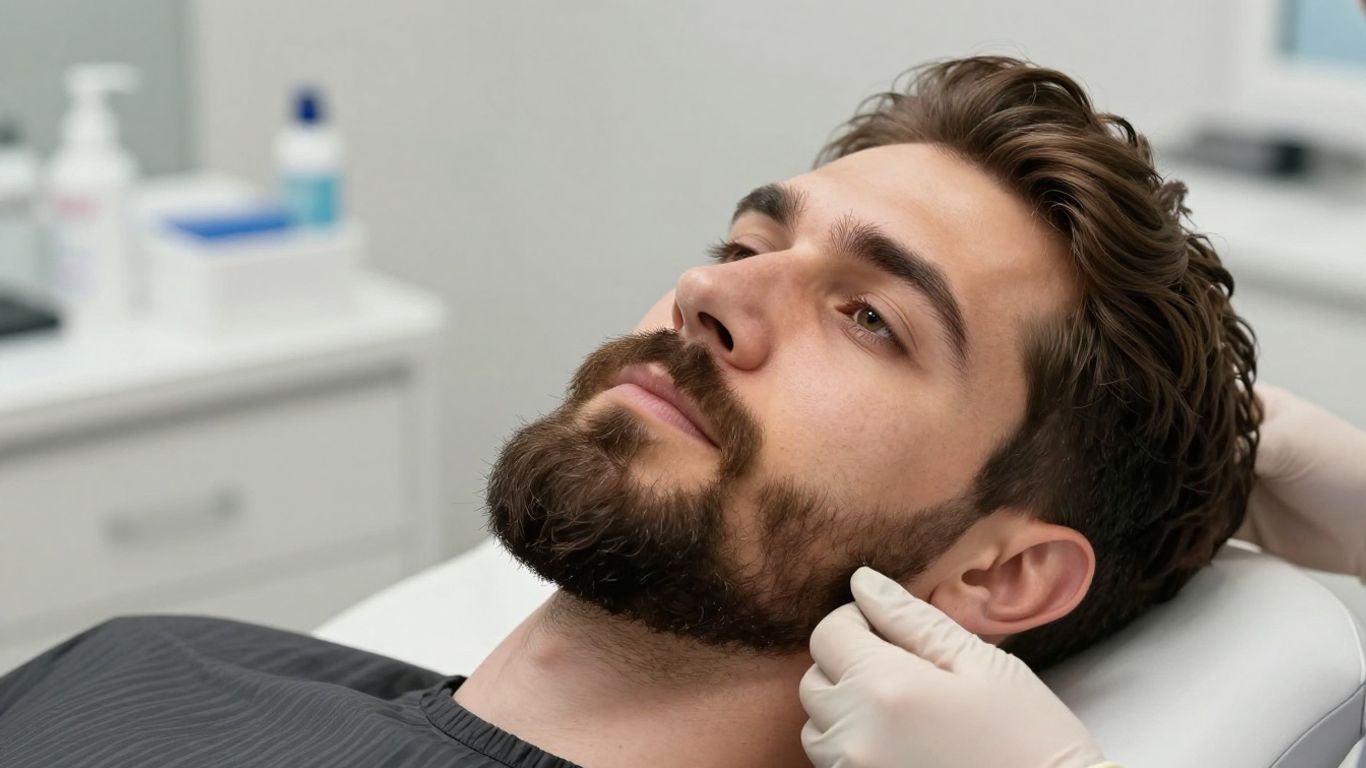
So, you're thinking about a beard transplant. It's a pretty big step, and like any procedure, it's smart to know both the good and the not-so-good parts. Most guys go through it without any major issues, but it's always best to be informed.
Understanding Potential Risks and Side Effects
While beard transplants are generally safe, especially when done by an experienced surgeon, there are a few things that can happen. You might notice some swelling or redness in the area where the hair was transplanted, and sometimes little scabs can form around the new follicles. It’s also pretty normal to feel a bit of discomfort at the donor site, where the hair was taken from, usually the back of your head. These side effects are typically temporary and fade away within a week or two.
It's important to remember that these procedures, like any surgery, carry inherent risks. Discussing these openly with your surgeon is key to understanding what to expect and how to manage any potential complications. Choosing a qualified professional can significantly minimize these possibilities.
Here's a quick look at what you might experience:
- Swelling and Redness: Common in the recipient and donor areas.
- Scabbing: Small scabs can form around the transplanted follicles.
- Mild Discomfort: Usually manageable at the donor site.
- Temporary Itching: Can occur as the area heals.
It's also possible, though less common, to experience issues like infection or scarring. Sometimes, the transplanted hairs might not grow as expected, or they might grow in a slightly different direction. That's why picking a surgeon with a good track record is so important. They know how to minimize these risks and get you the best possible outcome. If you're curious about the general timeline for recovery and potential issues, you can find more details on the beard transplant process.
The Benefits of Enhanced Facial Aesthetics
Let's talk about the upside. A well-done beard transplant can really change how you look. It can help fill in those annoying patchy spots, giving you a fuller, more defined beard that looks completely natural. This can really balance out your face and give you a more mature, masculine appearance. Think of it like getting the beard you always wanted, but without the years of waiting or hoping it would just fill in on its own.
Boosting Confidence with Fuller Facial Hair
Beyond just looking good, a fuller beard can do wonders for your self-esteem. For guys who've struggled with thin or patchy facial hair, this procedure can be a real game-changer. It allows you to finally rock the beard styles you've been dreaming of, without feeling self-conscious. When you feel good about your appearance, it shows. It can make a big difference in social situations and even in your professional life. It’s not just about the hair; it’s about feeling more confident and comfortable in your own skin. For more information on potential risks associated with hair transplantation in general, this resource offers a good overview.
Conclusion
A beard hair transplant can be a real game-changer for guys who want a fuller, thicker beard. Whether you’re dealing with patchy spots or just want to change up your look, this procedure is safe and long-lasting if you go to a skilled surgeon. The process takes some time and patience, but most people are happy with the results. If you’re thinking about it, talk to a hair restoration specialist to see if you’re a good fit and get all your questions answered. In the end, it’s about feeling comfortable with your appearance and having the confidence to rock the beard style you want.
Frequently Asked Questions
Does a beard hair transplant hurt?
Not really. You’ll get local anesthesia, so you shouldn’t feel pain during the procedure. Afterward, you might feel a little sore, but most people say it’s just like a mild sunburn.
How long does it take to see results from a beard transplant?
You’ll see new hair start to grow in about 3 to 4 months. Full results usually show up after 9 to 12 months.
Can I shave and style my beard after a transplant?
Yes! Once everything heals, you can trim, shave, and style your new beard just like normal facial hair.
Will the transplanted hair look natural?
If your surgeon is experienced, the new beard should look just like regular facial hair. They match the angle and direction to blend in.
How much does a beard hair transplant cost?
It depends on where you go and how much hair you need. In the US, it’s usually between $3,000 and $7,000.
Are there any risks or side effects?
Some people get swelling, redness, or scabs for a week or two. Serious problems are rare if you follow your doctor’s advice.


International Standards.
Brazilian Mastery.
Aesthetica Medical Travel Facilitators, LLC is an international care coordination company registered in Wyoming, United States. We provide services for the promotion and support of medical service providers, including physicians worldwide (“medical service providers”). These services are made available through Aesthetica’s website, and the same privacy terms also apply to the Aesthetica Advisor Program (the “application/platform”), created and operated by Aesthetica. Aesthetica is solely responsible for controlling and processing the information obtained via the platform or through other communications between users, businesses, hospitals, clinics, or third parties and members of the Aesthetica service team (the “Service Team”). Our services may include non-clinical care coordination for patients worldwide seeking elective procedures abroad, including provider matching, travel logistics, and administrative support throughout the care journey. Additional services or add-ons may be offered depending on the selected scope. Post-operative care is typically conducted in the destination country where the procedure is performed. Additional coordination or administrative support in the patient’s country of origin may be available separately, subject to scope and availability. Aesthetica may engage third-party service providers, partners, or affiliated entities to support its operations, including data processing and service delivery. Information may be shared with such parties solely as necessary to provide the services described. Our operations follow strict standards of transparency, privacy protection, and regulatory compliance. Testimonials reflect individual experiences and do not guarantee future results. By using Aesthetica’s services or platform, users acknowledge and agree to these terms and understand the limited, non-clinical role of Aesthetica in the care journey. For more information about our policies or compliance framework, please contact our support team.