
Achieve a Stunning Smile: Your Guide to Teeth Without Veneers
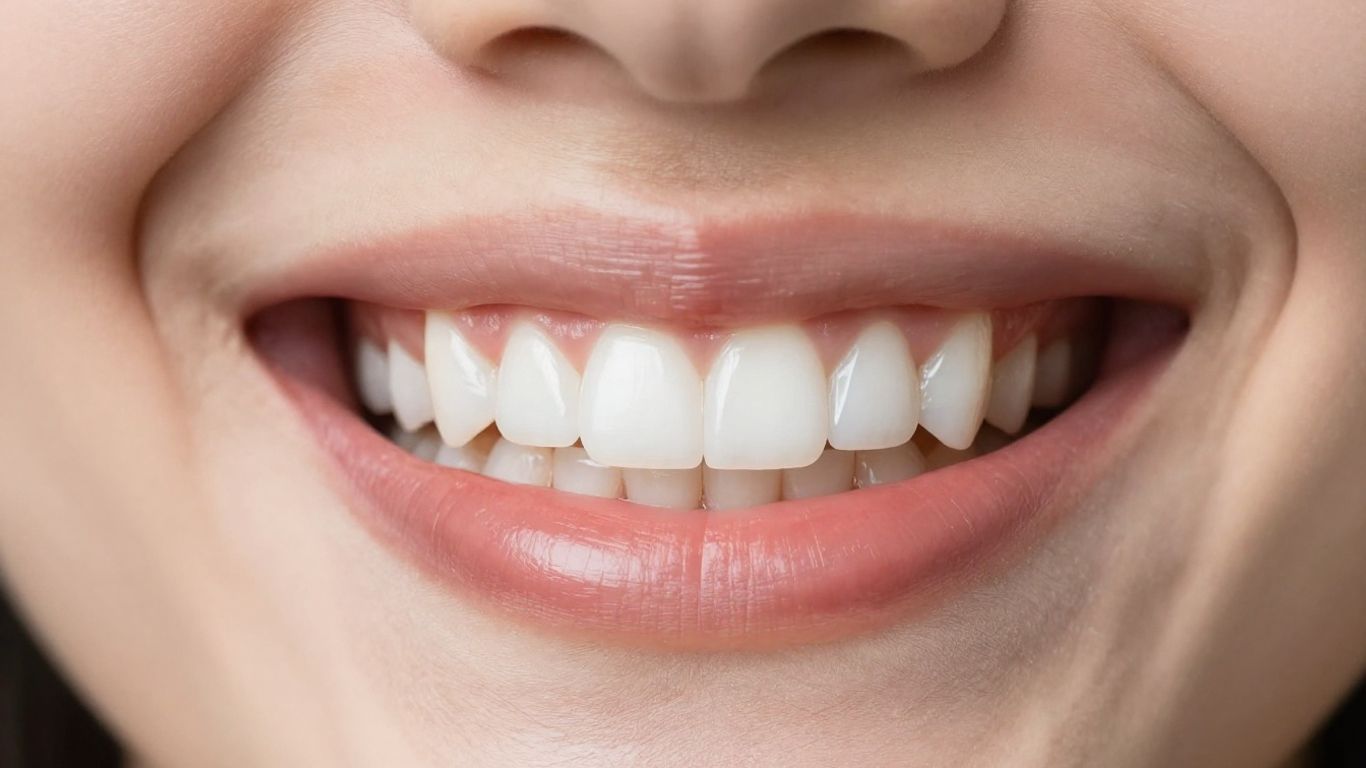
Want a smile that really shines but not too keen on the idea of veneers? You're not alone! Lots of people are looking for ways to make their teeth look better without going the veneer route. It turns out, there are plenty of options out there to get that dazzling smile you've been dreaming of, all while keeping your natural teeth as much as possible. Let's explore some of the best methods for achieving fantastic teeth without veneers.
Key Takeaways
- Professional teeth whitening can brighten your smile significantly by removing stains, all while keeping your natural tooth structure intact.
- Dental bonding uses a tooth-colored resin to fix small chips, gaps, or shape issues in a single visit, offering a less invasive fix than veneers.
- Enamel shaping and contouring subtly smooths out minor imperfections and uneven edges for a more balanced look, often combined with other treatments.
- Orthodontic solutions, like clear aligners, can straighten crooked teeth and close gaps over time, improving both appearance and function without altering teeth.
- No-prep veneers offer an ultra-thin shell option that bonds to teeth with minimal to no enamel removal, preserving natural tooth integrity for subtle enhancements.
Enhancing Your Smile Without Veneers
Thinking about a smile upgrade but not keen on veneers? You're not alone. Many people want a brighter, straighter, or more even smile without the commitment or potential tooth alteration that comes with traditional veneers. The good news is there are plenty of ways to achieve a fantastic smile using less invasive methods. It's all about understanding your options and what works best for your teeth and your goals.
Understanding Smile Makeover Options Beyond Veneers
When you picture a smile makeover, veneers often come to mind first. They're popular for a reason, but they're definitely not the only game in town. There's a whole spectrum of treatments available that can seriously transform your smile. These options range from simple whitening to more involved alignment procedures. The key is finding the right fit for your specific needs and desires. It's not a one-size-fits-all situation, and what works wonders for one person might not be the best choice for another. Exploring these alternatives means you can get the smile you want while keeping your natural teeth as intact as possible.
The Appeal of Conservative Cosmetic Dentistry
Conservative cosmetic dentistry is all about making improvements with minimal impact on your natural teeth. Think of it as a gentle touch rather than a complete overhaul. This approach is super appealing because it prioritizes preserving your tooth structure. Procedures like teeth whitening, dental bonding, and enamel shaping fall into this category. They can fix chips, stains, and minor alignment issues without needing to grind down your teeth, which is often a step with traditional veneers. It's a way to get noticeable results while being kind to your oral health for the long haul. Plus, many of these treatments are quicker and more affordable than more extensive work.
Achieving a Radiant Smile Naturally
Getting a radiant smile doesn't always mean drastic measures. Sometimes, it's about optimizing what you already have. Professional teeth whitening is a prime example. It tackles discoloration from daily habits like coffee or tea drinking, making your teeth noticeably brighter. For minor imperfections, dental bonding can fill chips or close small gaps, often in a single visit. Enamel shaping can smooth out rough edges or slightly alter tooth shape for better harmony. Even subtle adjustments can make a big difference. If alignment is the main concern, modern solutions like clear aligners offer a discreet way to straighten teeth over time. These methods focus on enhancing your natural smile, giving you a boost in confidence without altering your teeth's fundamental structure. You can explore various teeth whitening methods to find what suits you best [42fb].
It's important to remember that a beautiful smile is also a healthy smile. Focusing on conservative treatments often means you're also prioritizing the long-term health and integrity of your teeth and gums. This approach can lead to results that look and feel more natural, and are easier to maintain over the years.
Professional Teeth Whitening for a Brighter Smile
Let's talk about getting that smile looking its best, and not in a way that involves covering up your natural teeth. Professional teeth whitening is a fantastic way to brighten things up, especially if your smile has lost some of its sparkle over time. Think about all those cups of coffee, glasses of red wine, or even just the natural aging process – they all take a toll, leaving teeth looking less than vibrant. This is where professional whitening really shines.
Combating Discoloration from Daily Habits
It's pretty common for teeth to get stained. Things we consume daily, like coffee, tea, and berries, have pigments that can stick to our enamel. Even certain medications or just getting older can cause teeth to look yellower or duller. It’s not about being unhealthy; it’s just a normal part of life. Trying to tackle these stains with store-bought kits can sometimes work for surface issues, but they often don't have the power to reach deeper discoloration. That's why a dentist's approach can make a big difference.
The Power of Professional Bleaching Agents
Dentists have access to stronger, more effective bleaching agents than what you can buy at the drugstore. These professional-grade materials, when used under a dentist's supervision, can break down those stubborn stains more effectively. The process is usually quite quick, often done in a single appointment that might last about an hour. It’s a much faster way to see noticeable results compared to at-home methods. You can expect a significant brightening, and the results tend to last longer too, especially with good care. Many people find the investment in professional in-office treatments well worth the dramatic change.
Preserving Natural Tooth Structure During Whitening
One of the best things about teeth whitening is that it doesn't alter your actual tooth structure. Unlike veneers or crowns, which involve reshaping or covering the tooth, whitening works on the surface stains. It's a conservative approach that keeps your natural teeth intact. Of course, maintaining those bright results is key. This usually involves sticking to good oral hygiene practices, like regular brushing and flossing, and being mindful of foods and drinks that can cause new stains. Sometimes, dentists might also provide custom take-home trays with a milder gel for touch-ups, allowing you to maintain your brighter smile over time. The cost for these professional sessions can vary, but the national average for a supervised visit is around six hundred dollars.
It's important to remember that everyone's teeth respond differently to whitening. Factors like the original shade of your teeth and the type of stains present can influence the final outcome. A consultation with your dentist can help set realistic expectations and determine if whitening is the right choice for you.
Dental Bonding for Subtle Smile Corrections
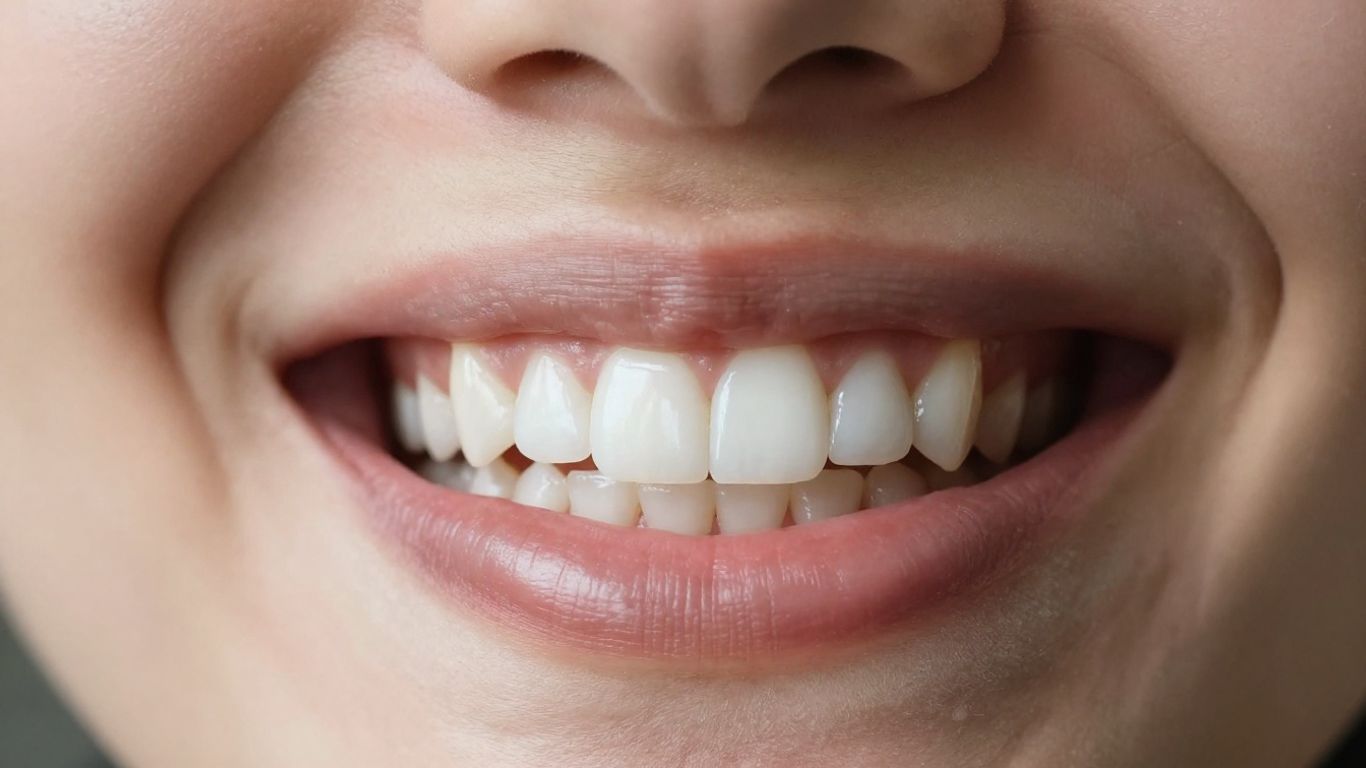
Sometimes, you don't need a whole overhaul to get a smile you love. Dental bonding is a fantastic way to fix small issues without going for something as involved as veneers. It's basically using a tooth-colored resin material that a dentist applies directly to your tooth. Think of it like a tiny, precise repair job for your smile.
Correcting Minor Imperfections with Resin
This stuff is great for chips, small cracks, or even closing up tiny gaps between your teeth. If a tooth has a little chip from biting down on something hard, or maybe a small crack that just bothers you, bonding can smooth it right over. It can also help if one tooth is a bit shorter than the others, making your smile look more even. The resin material is matched to the shade of your natural teeth, so it blends in really well. It’s a pretty straightforward process, usually taking less than an hour per tooth.
A Non-Invasive Alternative to Veneers
One of the best things about bonding is how little it changes your actual tooth. With veneers, a bit of your natural tooth enamel usually has to be removed to make space for the veneer. Bonding, on the other hand, often requires very little, if any, enamel removal. This means your natural tooth structure stays mostly intact, which is a big plus for many people. It’s a conservative approach that still gives you noticeable results. If you're looking for minor aesthetic improvements, bonding is definitely worth considering.
Single-Visit Smile Enhancements
Another perk? You can often get bonding done in just one dental visit. The dentist applies the resin, shapes it just right, and then uses a special light to harden it. Once it's set, they can do any final shaping or polishing. It’s pretty efficient. This makes it a convenient option if you have a specific event coming up or just want a quick fix. While bonding might not last as long as veneers, it's also easier to repair or touch up if needed. You can see some amazing before and after transformations that highlight how effective this can be.
Here’s a quick look at what bonding can address:
- Chips and cracks
- Small gaps between teeth
- Discoloration on a specific tooth
- Minor shape irregularities
- Lengthening a slightly shorter tooth
Dental bonding is a versatile cosmetic procedure where a tooth-colored resin material is applied to the surface of teeth and then hardened using a special light. This process can correct minor imperfections such as chips, cracks, gaps, or discoloration. Bonding is ideal for patients looking for a non-invasive alternative to veneers, as it usually requires minimal enamel removal. The procedure can often be completed on a single dental visit and is relatively cost-effective compared to other cosmetic treatments.
Enamel Shaping and Contouring for Harmonious Teeth
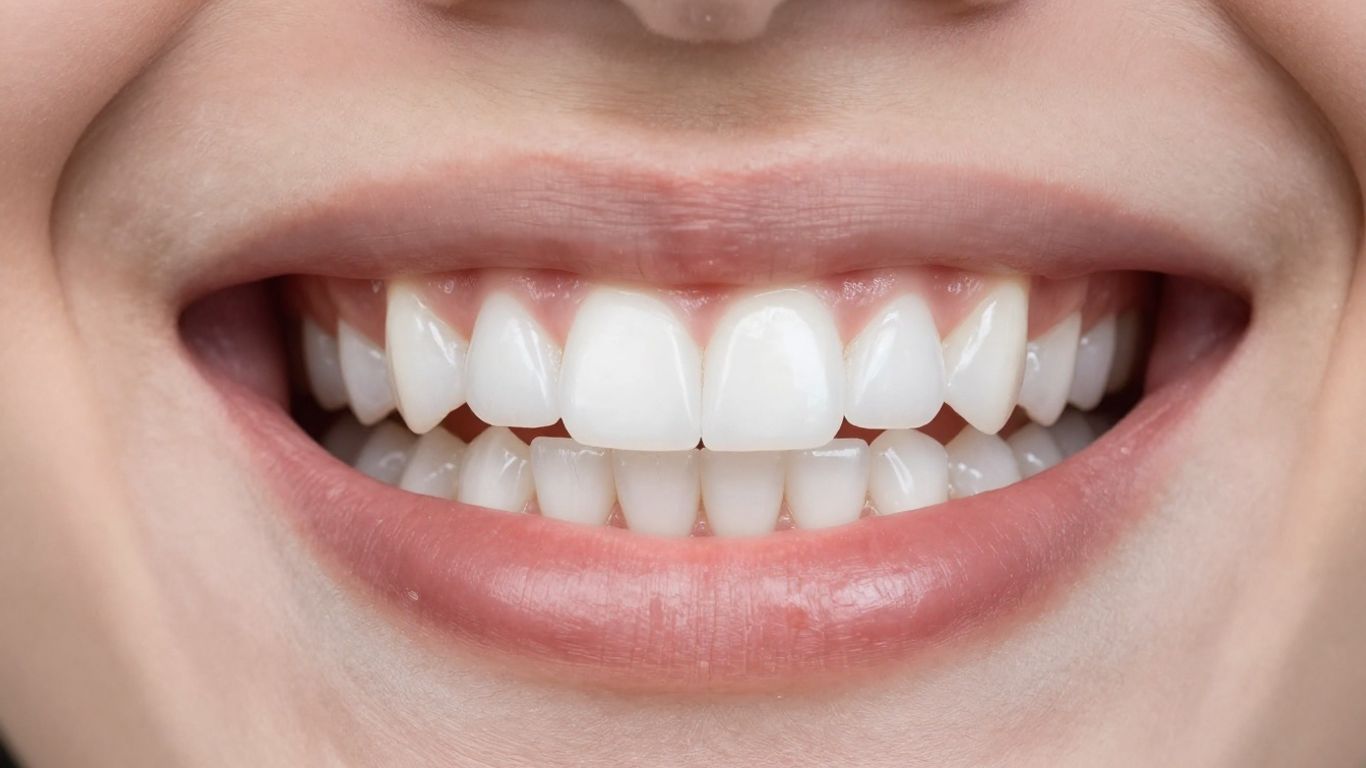
Sometimes, your smile just needs a little tweak here and there. That's where enamel shaping and contouring come in. It’s a really straightforward way to fix small issues with your teeth's shape or edges. Think of it like a sculptor working with a very fine tool. Dentists can carefully remove tiny bits of enamel to smooth out rough spots, fix slightly uneven edges, or even make teeth look a bit more uniform. It’s not about changing the whole tooth, just refining its appearance.
Subtle Improvements for Minor Concerns
This procedure is perfect for those little imperfections that bother you but don't necessarily require major work. Maybe one tooth has a slightly sharper edge than the others, or perhaps there's a tiny chip you're self-conscious about. Enamel shaping can address these issues quickly and easily. It’s a conservative approach that respects your natural tooth structure. It’s amazing what a difference a few minor adjustments can make to the overall look and feel of your smile. It’s a great option if you’re looking for a subtle change rather than a dramatic overhaul.
Reshaping Teeth Without Extensive Alteration
The beauty of enamel shaping is that it’s minimally invasive. Unlike some other cosmetic procedures, it doesn't involve drilling away large amounts of tooth or using artificial materials. The dentist uses fine burs to carefully sculpt the enamel. This means your natural teeth remain largely intact. It’s a quick process, often completed in a single visit. Because so little tooth is removed, it’s generally a comfortable procedure with little to no need for anesthesia. You can walk out with a smoother, more balanced smile.
Complementing Other Cosmetic Procedures
Enamel shaping is often used in combination with other treatments to create a complete smile makeover. For example, after teeth whitening, you might find that the shape of your teeth isn't quite as pleasing as you'd like. Contouring can then be used to perfect those shapes. It also works well with dental bonding, where a tooth-colored resin is added to teeth. Sometimes, a little bit of shaping is needed to make the bonded areas blend in perfectly. It’s all about creating a harmonious and natural-looking result. Here’s a look at how it fits in:
- Smoothing rough edges: Perfect for teeth that feel a bit jagged.
- Correcting minor chips: Addresses small chips that don't need bonding.
- Improving tooth symmetry: Makes teeth look more balanced next to each other.
- Enhancing overall harmony: Contributes to a more pleasing smile appearance.
It's important to remember that enamel, once removed, doesn't grow back. That's why it's crucial to have this procedure done by a skilled dentist who understands the limits of enamel and your specific dental anatomy. They'll make sure only the necessary amount is reshaped to achieve the desired aesthetic outcome without compromising the tooth's health.
Orthodontic Solutions for Aligned Teeth
Sometimes, the biggest impact on your smile isn't about color or shape, but about alignment. Crooked teeth, noticeable gaps, or a bite that just feels off can really affect how you feel about showing off your smile. While traditional braces used to be the go-to, there are now some really great, less obvious ways to get your teeth into their best position.
Addressing Crookedness and Gaps Discreetly
Getting your teeth straightened doesn't have to mean a mouth full of metal. For many people, the goal is simply to correct minor crowding, close small gaps, or improve the overall symmetry of their smile without drawing attention to the treatment itself. This is where modern orthodontic options really shine. They focus on gradual movement, making the process comfortable and, importantly, discreet. You can often continue with your daily life, work, and social activities without feeling self-conscious about your orthodontic appliances.
Clear Aligners as a Modern Alternative
Clear aligners have become super popular, and for good reason. Think of them as custom-made, clear trays that fit snugly over your teeth. You wear them for most of the day, taking them out only to eat, drink, and brush your teeth. Each set of aligners is designed to move your teeth a little bit at a time. You'll switch to a new set every week or two, and with each new set, your teeth get closer to their final, straighter position. It's a really neat system that allows for a lot of flexibility. Plus, they're so clear that most people won't even notice you're wearing them. This makes them a fantastic choice for adults who want to improve their smile without the look of traditional braces. You can even see a virtual preview of how your teeth will look when treatment is done, which is pretty cool. Many dentists offer these, so it's worth asking if clear aligners are a good fit for you.
Long-Term Smile Improvement Through Alignment
Orthodontic treatment, whether with clear aligners or other methods, is about more than just looks. Properly aligned teeth are easier to clean, which can lead to better oral health and fewer problems down the road. It also improves how your upper and lower teeth meet, which can affect chewing and even reduce wear on certain teeth. The results are lasting, giving you a smile that's not only straighter but also healthier and more functional. It's an investment in your smile that pays off for years to come. If you're curious about straightening options that don't involve traditional braces, you might want to explore various methods.
Getting your teeth aligned is a significant step towards a healthier and more confident smile. It's a process that requires patience but offers substantial rewards in both appearance and function. The key is finding the right method that fits your lifestyle and needs.
Considering No-Prep Veneers for Minimal Intervention
Sometimes, you want a smile upgrade without going through a big dental procedure. That's where no-prep veneers come in. Think of them as super thin, custom-made shells that stick right onto your teeth. Unlike the traditional kind, these usually don't require shaving down your natural tooth enamel. It’s a pretty neat way to fix minor issues and get a brighter look.
The Ultra-Thin Shell Approach
These veneers are incredibly thin, often just about 0.2 to 0.5 millimeters. Because they're so slim, they can often be bonded directly to your teeth without needing to remove any tooth structure. This makes the whole process much less invasive. They're typically made from high-quality porcelain, which looks a lot like natural tooth enamel and resists stains well. Some might also be made from composite resin, which can be a bit more budget-friendly.
Preserving Natural Tooth Integrity
One of the biggest draws of no-prep veneers is that they're a reversible alternative to traditional veneers. Since there's little to no drilling involved, your natural teeth stay mostly intact. This is a huge plus if you're worried about permanent changes or have sensitive teeth. It means you get the aesthetic benefits without the irreversible preparation of the underlying tooth. It’s a conservative way to improve your smile.
Ideal Candidates for Subtle Enhancements
So, who is this option best for? No-prep veneers are generally great for people with minor cosmetic concerns. This could be slight discoloration, small chips, or tiny gaps between teeth. They're not really for major smile makeovers involving significant alignment issues or large gaps. You also need to have enough healthy enamel for the veneers to bond properly. If you're looking for a subtle, natural-looking improvement rather than a dramatic transformation, these might be just the ticket. They are ideal for patients with minor cosmetic concerns.
Here’s a quick look at what makes someone a good candidate:
- Slightly misshapen or small teeth
- Minor staining or discoloration
- Small spaces between teeth
- Good overall oral health
The procedure itself is usually quite straightforward. After a consultation to discuss your goals and check your teeth, your dentist will take impressions or a digital scan. Then, the custom veneers are made and bonded onto your teeth, often in just one or two visits. It’s a pretty efficient way to get a nicer smile.
Maintenance is pretty simple too. Just brush and floss like you normally would, and try to avoid biting down on really hard things like ice or pen caps. Regular dental check-ups are also key to making sure everything stays in good shape for years to come.
Your Best Smile, Naturally
So, there you have it. Getting a smile you love doesn't always mean going the veneer route. We've talked about whitening, bonding, and even straightening things up a bit. It's all about finding what works for you, your teeth, and your wallet. Remember, the goal is a healthy, happy smile that makes you feel good. Chatting with your dentist is the best next step to figure out the perfect plan to get you there. You've got options, and a great smile is totally within reach.
Frequently Asked Questions
What's the main difference between veneers and other smile treatments?
Veneers are thin shells that cover the front of your teeth. Other treatments, like whitening or bonding, focus on improving the natural tooth itself without covering it up. Think of it like painting a wall versus just cleaning it – both make it look better, but in different ways.
Can I really get a better smile without veneers?
Absolutely! There are many ways to make your smile shine. Things like whitening can brighten your teeth, bonding can fix small chips or gaps, and even straightening your teeth with clear aligners can make a big difference.
Is teeth whitening safe for my teeth?
Professional teeth whitening is generally safe. Dentists use special solutions that are stronger than store-bought ones, and they know how to protect your gums and tooth enamel during the process. It helps make your teeth brighter without changing their natural structure.
How does dental bonding work?
Dental bonding uses a tooth-colored putty that a dentist applies to your teeth. They shape it to fix chips, close small gaps, or cover stains, then harden it with a special light. It's a quick way to make small improvements in just one visit.
Are clear aligners (like Invisalign) a good option for a smile makeover?
Yes, if your main concern is crooked or spaced-out teeth, clear aligners are fantastic. They slowly move your teeth into the right place over time, making your smile look straighter and more even. It's a less noticeable way to get straighter teeth compared to traditional braces.
What are 'no-prep' veneers?
No-prep veneers are super thin shells that stick to your teeth with very little or no need to shave down your natural tooth. They're a gentler option for fixing minor smile issues, keeping more of your original tooth intact.


International Standards.
Brazilian Mastery.
Aesthetica Medical Travel Facilitators, LLC is an international care coordination company registered in Wyoming, United States. We provide services for the promotion and support of medical service providers, including physicians worldwide (“medical service providers”). These services are made available through Aesthetica’s website, and the same privacy terms also apply to the Aesthetica Advisor Program (the “application/platform”), created and operated by Aesthetica. Aesthetica is solely responsible for controlling and processing the information obtained via the platform or through other communications between users, businesses, hospitals, clinics, or third parties and members of the Aesthetica service team (the “Service Team”). Our services may include non-clinical care coordination for patients worldwide seeking elective procedures abroad, including provider matching, travel logistics, and administrative support throughout the care journey. Additional services or add-ons may be offered depending on the selected scope. Post-operative care is typically conducted in the destination country where the procedure is performed. Additional coordination or administrative support in the patient’s country of origin may be available separately, subject to scope and availability. Aesthetica may engage third-party service providers, partners, or affiliated entities to support its operations, including data processing and service delivery. Information may be shared with such parties solely as necessary to provide the services described. Our operations follow strict standards of transparency, privacy protection, and regulatory compliance. Testimonials reflect individual experiences and do not guarantee future results. By using Aesthetica’s services or platform, users acknowledge and agree to these terms and understand the limited, non-clinical role of Aesthetica in the care journey. For more information about our policies or compliance framework, please contact our support team.